
Introduction
If you are struggling to obtain a clear TV signal in your basement, you are not alone. Basements often present unique challenges to signal reception due to their underground location, surrounded by concrete walls and various obstructions. These environmental factors can severely hinder your ability to enjoy crisp, uninterrupted television. This comprehensive guide delves into selecting the best TV antenna for basement use in 2024, offering practical tips and an overview of top-rated products to enhance your viewing experience.
Understanding Signal Challenges in Basements
Basements are typically situated below ground level, a factor that makes signal reception inherently difficult. Concrete walls and floors act as barriers that block signals, and the subsurface position complicates acquiring even the most robust broadcasts. Recognizing these challenges allows you to select an antenna specifically designed to combat these hindrances effectively.
Transitioning from understanding these obstacles, we explore the variety of antenna types available to mitigate poor signal reception and improve your basement viewing setup.
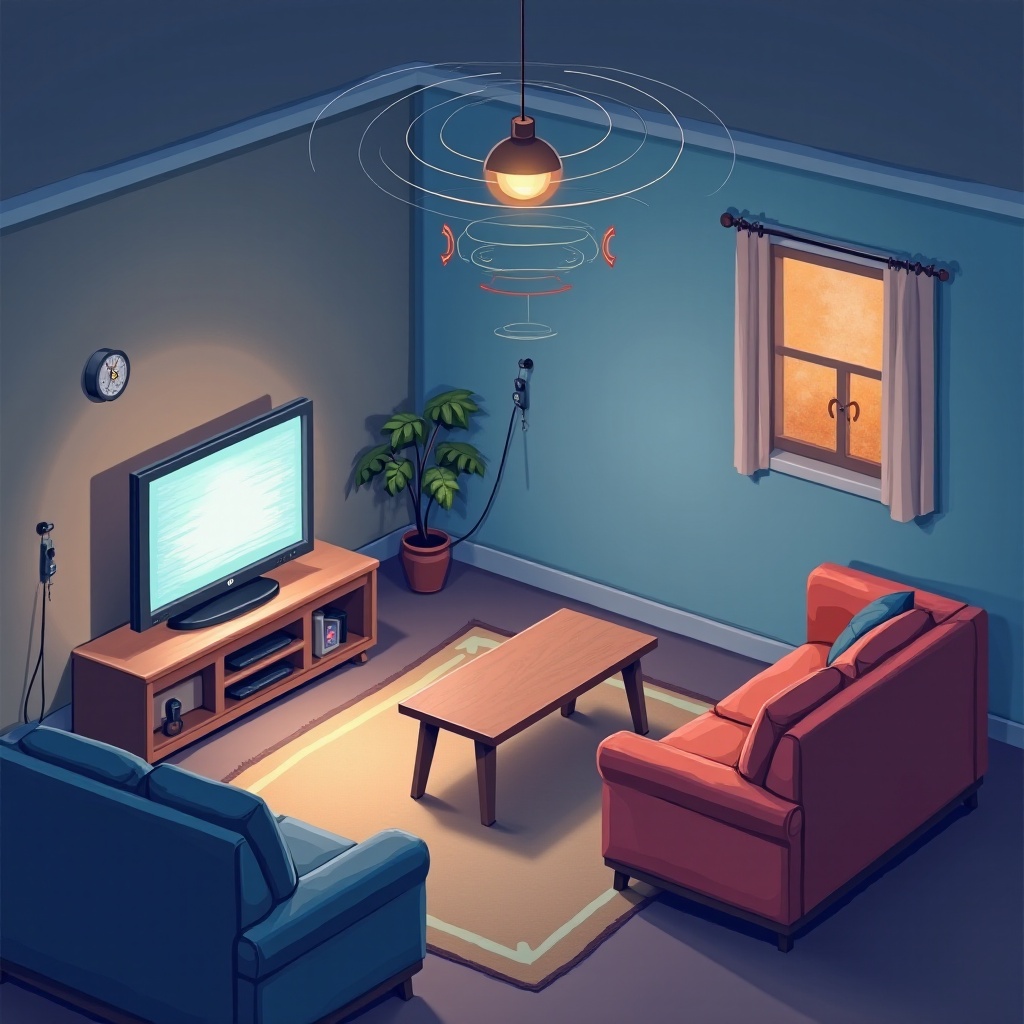
Types of TV Antennas Suitable for Basements
Choosing an antenna for basements requires understanding the variety available in the market. Different antennas provide diverse advantages contingent on your basement’s specific needs.
Indoor vs. Outdoor Antennas
- Indoor Antennas: These are ideal for settings with limited obstructions, offering easy installation and versatility in placement.
- Outdoor Antennas: These are designed to deliver robust signals in challenging environments, necessitating more installation effort but rewarding you with superior reception.
Amplified vs. Non-Amplified Antennas
- Amplified Antennas: Featuring built-in signal boosters, these antennas excel in areas where signal strength is subpar.
- Non-Amplified Antennas: Known for their straightforward design and economic pricing, they’re best suited for homes closer to broadcast towers where signal strength is generally not an issue.
Multi-Directional vs. Uni-Directional Antennas
- Multi-Directional Antennas: Apt at capturing signals from various directions, these antennas are beneficial if local broadcasts emanate from multiple towers.
- Uni-Directional Antennas: Optimize these if your signal comes predominantly from one direction, maximizing reception strength.
With a grasp on these categories, you can better define the type of antenna to enhance your basement setup. Next, we’ll delve into the crucial features to consider in your selection process.
Top Features to Consider When Choosing a Basement Antenna
Evaluating certain features of TV antennas ensures optimal performance and high reception quality.
- Signal Range: A wide-range capability is necessary if you’re situated far from broadcast towers.
- Frequency Compatibility: An antenna supporting both VHF and UHF frequencies ensures a broader channel selection.
- Size and Placement Flexibility: Compact models offer versatile placement options crucial in constrained spaces.
- Built-in Amplifiers: These can enhance the received signal quality, which is particularly valuable in basement settings.
By evaluating these attributes, you can make an informed choice that aligns with your budget and reception needs. This understanding sets the stage for our in-depth reviews of top-performing antennas this year.
Reviews of the Best TV Antennas for Basements in 2024
Navigating through numerous choices, here’s a rundown of top antennas for basements in 2024:
Antenna A: Features, Pros, and Cons
- Features: A long-range multi-directional design with amplification capabilities.
- Pros: Delivers excellent reception and opens a range of channels.
- Cons: Positioned at a higher price point, which may deter budget-sensitive buyers.
Antenna B: Features, Pros, and Cons
- Features: Compact, compatible with both VHF/UHF frequencies, non-amplified.
- Pros: Affordable and user-friendly in terms of setup.
- Cons: Limited to areas in closer proximity to broadcasting towers due to its simple design.
Antenna C: Features, Pros, and Cons
- Features: Designed for high-gain, designed to withstand weather variations.
- Pros: Durable, offering stable signals under diverse conditions.
- Cons: For optimum performance, professional installation is recommended.
These options provide a mix of performance and reliability tailored for basement use. Next, we turn to straightforward tips to amplify your viewing experience through proper installation practices.
Installation Tips for Optimal Reception
To maximize performance from your chosen antenna, consider these key installation strategies:
- Locate the Best Position: Elevate the antenna to capture stronger signals. Near windows or higher positions often yield better results when pre-installed lodge elsewhere freezes the potential.
- Adjust the Direction: Rotate the antenna for optimal angle reception, fine-tuning its orientation according to feedback.
- Reduce Obstructions: Clear large obstructions that stand between the antenna and broadcast paths, ensuring no physical hindrances disturb signals.
Implementing these practices unlocks the antenna’s potential, promising a clearer and more dependable television experience.
Conclusion
Investing in the best TV antenna for your basement transforms your viewing pleasure. By recognizing inherent challenges, assessing individual requirements, and leveraging superior technologies, you can overcome traditional reception hurdles. Armed with this guide, you’re poised to enjoy uninterrupted, high-quality programming from your basement setup.
Frequently Asked Questions
How can I boost antenna signal strength in my basement?
To boost signal strength, consider using an amplified antenna positioned higher in the basement. Reduce clutter and interference from electronic devices for enhanced reception.
Are outdoor antennas better for basement use?
Outdoor antennas generally offer better reception in basements due to their range and ability to bypass indoor barriers, though installation is more demanding.
What is the best placement for a basement TV antenna?
Place the antenna near windows or higher up in the basement for the best signal reception, avoiding obstructions like thick walls or large furniture.