
Introduction
Cutting the cord and switching to an outdoor HDTV antenna is a great way to enjoy high-quality television without costly subscriptions. With the right antenna, you can access crisp, clear images and a broad selection of channels. This guide will help you explore the features of the best outdoor HDTV antennas for long-range reception and how to select one that suits your needs.
Understanding the specifics of long-range antennas and their installation is essential for optimizing your viewing experience. Let’s take a closer look at what these antennas have to offer.
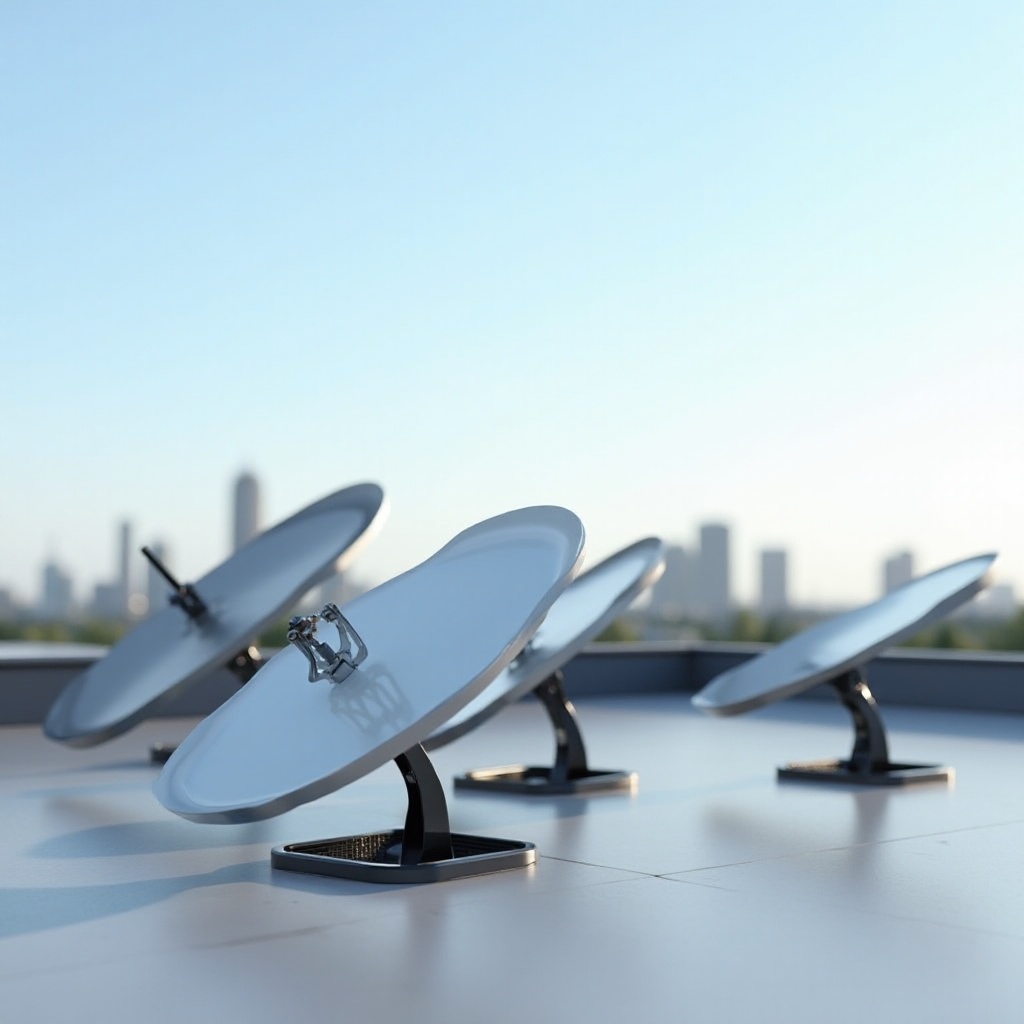
Understanding Outdoor HDTV Antennas
Outdoor HDTV antennas capture digital signals broadcasted by local stations, turning them into crystal-clear images on your TV. Unlike cable or satellite, these antennas provide access to local channels for free. This makes them a popular choice for those looking to save money.
A long-range antenna is specifically designed to receive signals from far distances, which is particularly useful if you’re in a rural area or far from broadcasting stations. These antennas must manage various factors like signal strength, interference, and weather conditions to perform optimally.
With a solid grasp of how outdoor HDTV antennas function, it’s time to focus on the key features that make them effective.
Key Features of Long-Range Outdoor HDTV Antennas
To ensure you select the best antenna, it’s important to consider features that enhance reception and durability.
Range and Signal Strength
For long-range reception, choose an antenna capable of receiving signals from over 70 miles away. Antennas equipped with built-in signal amplifiers or boosters are particularly effective, as they ensure strong reception and minimize losses.
Weather Resistance
Outdoor antennas must withstand harsh weather conditions. Look for antennas made from durable materials that can endure wind, rain, and UV exposure. This ensures longevity and consistent performance regardless of the weather.
Multi-directional vs. Uni-directional
Multi-directional antennas can pick up signals from multiple directions and are ideal for areas with several broadcasting towers. In contrast, uni-directional antennas focus on a specific direction, offering improved range and strength for signals coming from one direction.
Understanding these features can simplify the selection process. Let’s explore the best antennas for 2024.
Top Outdoor HDTV Antenna Picks for 2024
Based on performance, durability, and customer feedback, here are the leading outdoor HDTV antennas for 2024.
Antenna 1: Features and Benefits
This antenna boasts a robust structure and refined signal reception. It’s equipped with a built-in amplifier, boosting distance coverage without compromising signal quality. This model is reliable in varying weather conditions.
Antenna 2: Features and Benefits
Praised for its compact design, this multi-directional antenna provides excellent medium to long-range reception. Its robust construction offers superior weather resistance, making it a reliable choice for diverse conditions.
Antenna 3: Features and Benefits
This antenna combines a sleek design with a powerful signal booster to maximize range. Its lightweight structure ensures easy installation and minimizes visual impact on your home.
Selecting the right antenna is just one part of the equation. Proper installation is crucial to maximizing performance.
Installation Tips for Maximizing Performance
Even the best antennas need proper installation for optimal performance. Here are some steps to ensure the best results:
-
Optimal Placement and Positioning: Install your antenna as high as possible, like on the roof or an elevated pole, for an unobstructed line of sight to broadcasting towers. Point the antenna towards the nearest tower.
-
Avoiding Signal Interference: Keep antennas away from metal structures or thick walls that can block signals. Ensure nearby foliage is trimmed to prevent signal disruption.
-
Use of Signal Amplifiers: Install a signal amplifier if signal weaknesses are noticeable, or if you have long cable runs. Make sure all connections are secure to minimize loss.
Correct installation ensures that you make the most of your antenna’s capabilities. With these steps in mind, you can enjoy top-tier reception without the costs of cable.
Conclusion
Investing in a quality outdoor HDTV antenna for long-range reception can significantly enhance your TV experience. Focus on key features like range, weather resistance, and directional capabilities to ensure you get the best performance.
Our guide to the top 2024 models, coupled with installation tips, prepares you to cut the cord with confidence. Enjoy the wealth of channels and high-definition viewing offered by today’s outdoor antennas.
Frequently Asked Questions
What is the ideal height for installing an outdoor HDTV antenna?
For optimal reception, mount your antenna at least 30 feet above ground level to ensure minimal obstructions and maximize signal strength.
How can I find the best direction to point my antenna?
Use online tools or smartphone apps to locate broadcasting towers near you and adjust your antenna accordingly for the best reception.
Do I need an amplifier with my outdoor HDTV antenna?
An amplifier is beneficial if you experience weak signals or have long cable runs. It boosts reception quality and compensates for signal loss.